
Purchase Agreement Basics: 11 Things to Understand Before You Sign
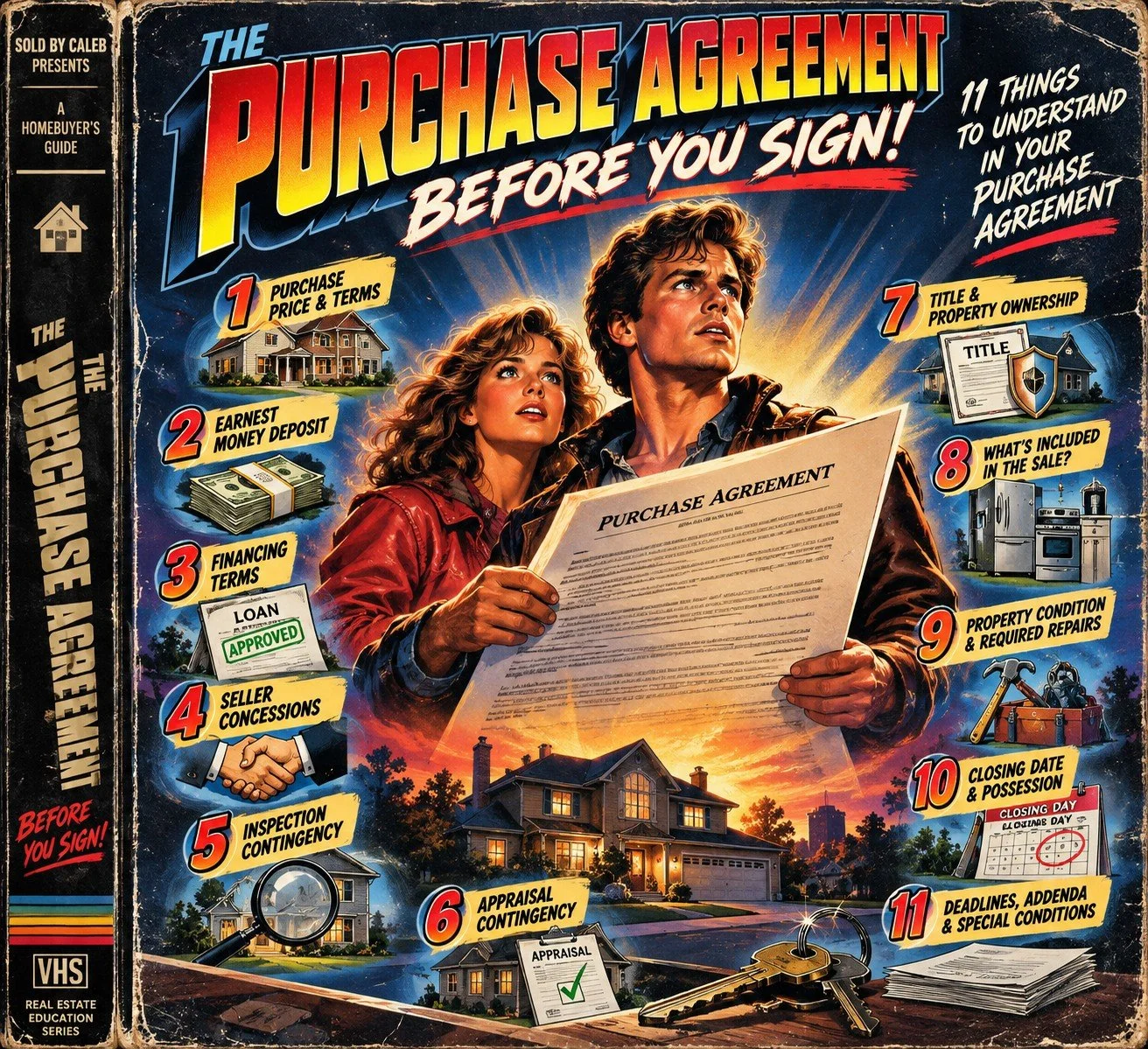
Buying or selling a home in Michigan involves more than agreeing on a price.
The purchase agreement is the written contract that establishes the terms of the transaction, including what the buyer is purchasing, how the sale will be financed, important deadlines, and what happens if something doesn't go as planned.
While purchase agreement forms vary, here are 11 important things buyers and sellers should understand before signing.
1. Purchase Price and Terms
The purchase price is usually the first number everyone notices, but it isn't necessarily the most important part of an offer.
A $400,000 offer with $10,000 in seller concessions is financially different from a $400,000 offer without concessions.
Financing, contingencies, and occupancy terms can also affect how attractive an offer is.
For more information about structuring an offer, explore my Making an Offer and Negotiating guide.
What to watch for: Compare the entire agreement, not just the purchase price.
2. Earnest Money Deposit
An earnest money deposit, often called EMD, is money the buyer agrees to provide as part of the transaction.
The purchase agreement should identify the deposit amount, delivery deadline, and who will hold the funds.
At closing, the deposit is generally credited toward the buyer's required funds.
If the transaction doesn't close, the agreement and circumstances determine who may be entitled to the money.
For a more detailed explanation, read my EMD Basics: What Happens to Your Earnest Money When Buying a Home? guide.
What to watch for: Understand when the deposit is due and the conditions for its return or forfeiture.
3. Financing Terms
The agreement identifies how the buyer intends to purchase the property, such as cash, conventional financing, FHA, or VA financing.
Different loan programs may have different appraisal, property condition, and approval requirements.
Even a buyer with a mortgage preapproval must complete the lender's underwriting process.
The Consumer Financial Protection Bureau's home buying resources explain financing, loan estimates, and closing documents.
What to watch for: Make sure the financing terms match the buyer's actual loan program and ability to complete the purchase.
4. Seller Concessions and Closing Costs
Seller concessions are amounts the seller agrees to contribute toward certain buyer expenses, subject to applicable financing requirements.
For example, a buyer might offer $350,000 while requesting $5,000 toward closing costs.
That contribution generally reduces the seller's net proceeds, even though the stated purchase price remains $350,000.
Seller concessions can also help buyers reduce the amount of cash needed at closing.
I explain this strategy further in my YouTube video, Seller Concessions: How to Ask for Money.
What to watch for: Buyers should understand how much cash they'll need at closing, while sellers should evaluate their estimated net proceeds.
5. Inspection Contingency
A home inspection helps the buyer investigate the property's condition.
The purchase agreement determines how long the buyer has to inspect the property and what options are available afterward.
Depending on the contract, those options may include proceeding, requesting repairs or concessions, or terminating within the permitted period.
An inspection does not automatically require the seller to make repairs.
For a related explanation, read What Does “As Is” Actually Mean When Buying a Michigan Home?.
What to watch for: Understand the inspection deadline, notice requirements, and whether the agreement provides an opportunity to negotiate.
6. Appraisal Contingency
When a buyer obtains a mortgage, the lender will commonly require an appraisal.
The appraisal helps the lender evaluate the property's value for financing purposes.
If the appraisal comes in below the agreed purchase price, the buyer and seller may need to address the difference.
Depending on the contract, possible outcomes include renegotiating the price, the buyer contributing additional funds, or termination under an applicable contingency.
An appraisal gap guarantee can change the buyer's responsibilities.
What to watch for: Know what happens if the appraisal is lower than the purchase price before agreeing to cover a difference.
7. Title and Property Ownership
Before closing, the title company or other appropriate professional examines the property's ownership records.
Potential issues can include unpaid mortgages, tax liens, judgments, easements, and errors in recorded documents.
The purchase agreement establishes important responsibilities for providing acceptable title and addressing objections.
I've covered common issues in 7 Title Problems That Can Delay a Michigan Home Closing, and How They're Resolved.
What to watch for: Review the title commitment, including its requirements and exceptions, and understand any unresolved issues before closing.
8. What's Included in the Sale?
Does the refrigerator stay? What about the television mount, chandelier, garage shelving, or backyard playset?
Buyers and sellers sometimes have different expectations about what transfers with the property.
The agreement should clearly identify included appliances, fixtures, personal property, and any exclusions.
For examples of items that frequently create confusion, read What Actually Stays With a House When You Sell It in Michigan?.
What to watch for: If an item matters to either party, identify it specifically in writing.
9. Property Condition and Required Repairs
The agreement should explain the property's required condition at closing or possession and address any repairs the parties have negotiated.
Michigan sellers may also have disclosure obligations under the state's Seller Disclosure Act, subject to statutory exceptions.
Some municipalities require inspections or approvals when a property is sold.
For local examples, read Do You Need a Certificate of Occupancy Inspection to Sell Your Michigan Home?.
What to watch for: Identify who is responsible for agreed repairs, municipal requirements, debris removal, and maintaining the property's condition.
10. Closing Date and Possession
Closing and possession are not always the same event.
The closing date establishes when the parties expect to complete the sale.
Possession determines when the buyer is entitled to occupy the property.
Sometimes a seller negotiates additional occupancy after closing to allow time to move.
These arrangements should address the occupancy deadline, any daily charges, security deposit, insurance considerations, and responsibilities during the occupancy period.
What to watch for: Don't assume the buyer receives the keys immediately after signing the closing documents.
11. Deadlines, Addenda, and Special Conditions
Purchase agreements contain deadlines for deposits, inspections, financing, title matters, closing, and other obligations.
Additional documents may modify or supplement the original agreement.
These can include financing addenda, inspection provisions, occupancy agreements, and negotiated conditions specific to the property.
An accepted agreement generally cannot be changed unilaterally. Changes typically require the parties' agreement.
What to watch for: Read every attached document, understand how deadlines are calculated, and make sure negotiated changes are properly documented.
Before You Sign
A purchase agreement is more than a price and a closing date. It establishes the responsibilities, protections, and expectations of both parties.
The goal isn't simply to get an offer accepted. It's to create an agreement that gives the transaction a clear path toward closing.
For a broader overview of the process, explore my Complete Homebuyer's Guide.
If you're preparing to buy or sell a home in Southeast Michigan, visit my home buying resources or home selling page.
This article provides general educational information and is not legal advice. Contract terms, applicable laws, and transaction requirements vary. Consult a qualified Michigan real estate attorney for legal questions about a specific agreement.