One House. Two Buyers. Who Gets It?
You find a house you really like, but someone else already has an accepted offer.
Is it too late?
Not necessarily. Sometimes a seller will consider a backup offer while the first buyer works toward closing.
Here's how that works in a Michigan real estate transaction.
What Is a Backup Offer?
A backup offer is an agreement between a seller and another buyer that is conditional on the original transaction not closing.
The seller already has a purchase agreement with the first buyer. The backup buyer agrees to purchase the property under specified conditions if the first transaction does not close.
A backup offer is more than simply telling the listing agent you're interested.
Does the First Buyer Lose the House?
No. Accepting a backup offer does not automatically cancel the original purchase agreement.
The first buyer still has the rights provided by their contract.
A seller generally cannot abandon a binding purchase agreement simply because another buyer offers more money.
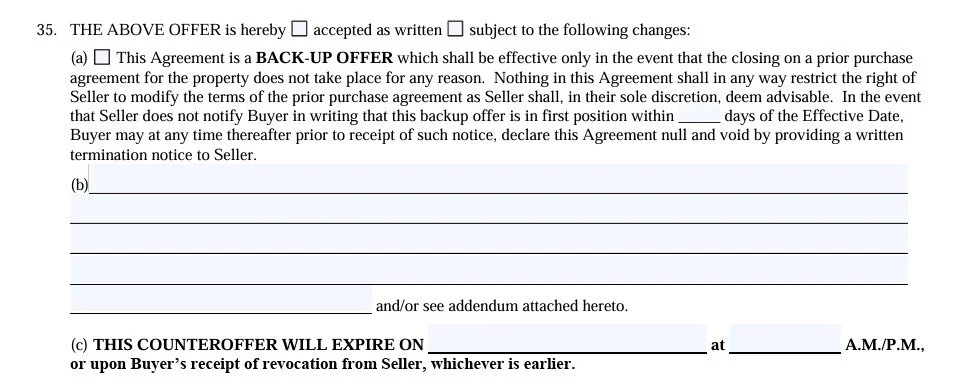
The Michigan REALTORS® Purchase Agreement includes a backup offer provision under Section 35.
Why Would a Seller Accept One?
Even after an offer is accepted, several things still need to happen.
The buyer may need to:
Complete inspections and investigations.
Obtain final mortgage approval.
Satisfy appraisal requirements.
Complete any other contract contingencies.
Close the transaction.
If the first transaction doesn't close, a properly structured backup agreement may allow the seller to proceed with another buyer without starting the entire process over.
What Should the Backup Buyer Understand?
Before signing, the buyer should know:
When the backup agreement becomes effective.
Whether and when they can withdraw.
How earnest money is handled.
When inspection and financing deadlines begin.
Whether they can continue pursuing other properties.
These details depend on the actual agreement.
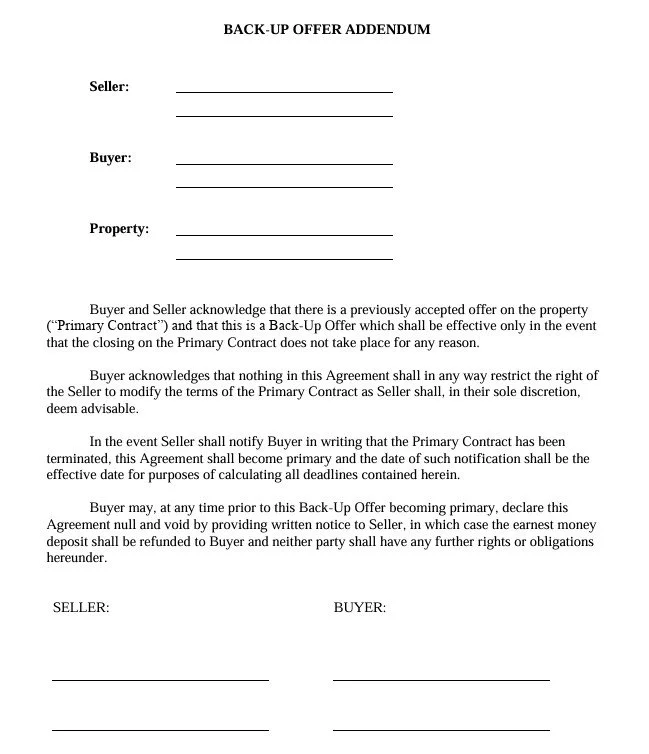
For example, Michigan REALTORS® has published a sample backup addendum that addresses written notice, contract deadlines, and withdrawal rights. Other forms may handle these matters differently.
You can learn more about purchase terms in my Purchase Agreement Basics guide.
What Happens If the First Deal Closes?
The backup buyer doesn't get the house. The backup agreement should specify what happens when the primary sale closes, including the handling of any earnest money.
If the first deal ends, the seller and backup buyer follow their agreement to determine whether and when the backup contract moves forward.
Is a Backup Offer Worth Making?
Sometimes.
For buyers, it can create an opportunity to purchase a property they thought they missed.
For sellers, it can provide an alternative if the original sale falls apart.
But neither side should enter a backup agreement without understanding its obligations.
The important thing is knowing exactly what you're agreeing to before signing.
Looking for a home in Southeast Michigan? Visit my Buyer Resources page to learn more about the buying process and how to evaluate your options.